In 2020, during the height of the pandemic, then-Mayor De Blasio provided daily updates on COVID-19 numbers and available resources for New Yorkers, addressing issues like food insecurity, testing availability, and, eventually, vaccines. On one particular day, while watching these updates, I encountered mostly grim news. However, when he announced the U.S. Census data, it gave me hope as a resident of Laurelton.
The U.S. Census plays a critical role in determining the resources allocated to communities based on the responses from residents. Laurelton’s participation rate improved by almost 10 percentage points from 2010 to 2020, placing it among the top neighborhoods for increased participation. I volunteered alongside community leader Melva Miller, who led a campaign to boost Census responses in communities of color. Collecting data from residents helps to create a more sustainable and equitable community. Data collection is crucial for change, but it becomes more impactful if initiatives promote communities’ understanding of data collection and storytelling through data literacy.
BetaNYC is educating New Yorkers on the importance of data literacy and increasing access to it in underserved communities. The organization partners with critical local leaders and national partners in public interest technology, civic technology, open data, and open government. BetaNYC’s work empowers individuals and local communities to build a civically engaged technology ecosystem and promote an honest and inclusive government. We aim for New York’s government to work by the people and for the people, suited for the 21st century.
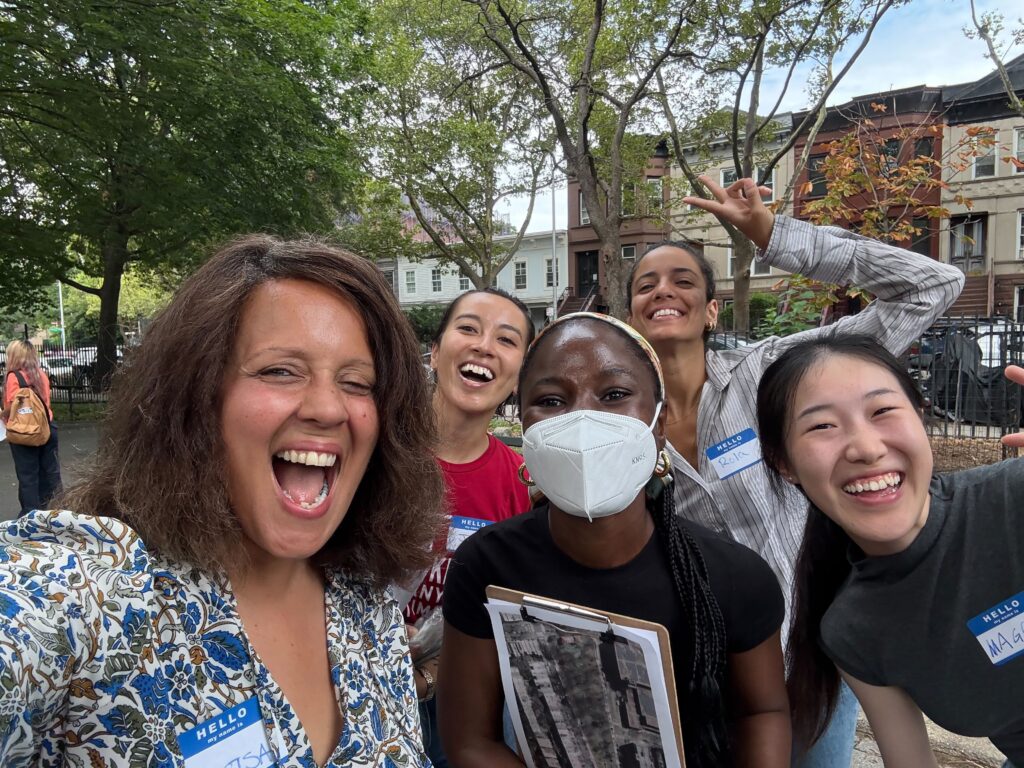
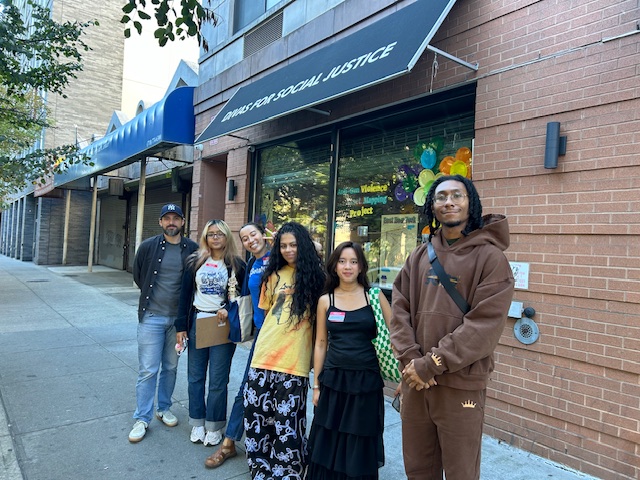
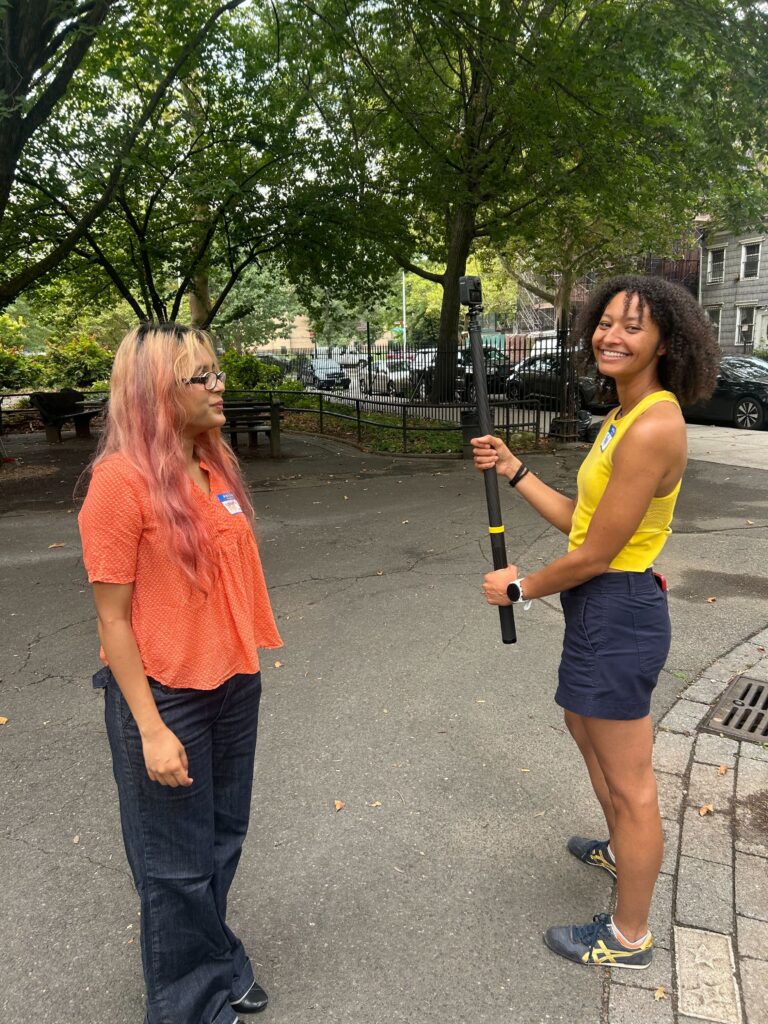
In early Spring 2025, BetaNYC invited DIVAS for Social Justice to participate in a virtual workshop on OpenStreetMap and their Mapping for Equity Toolkit. Since 2013, DIVAS for Social Justice has offered free STEAM (Science, Technology, Engineering, Arts, and Math) programming to the Laurelton community. In partnership with BetaNYC, staff from DIVAS for Social Justice have been trained in field mapping and data-entry using their Mapping for Equity toolkit and the open-source platform OpenStreetMap. BetaNYC’s toolkit will be introduced to youth in the DIVAS STEAM for Social Change program in Laurelton and East New York. Both organizations are excited to host community workshops in Queens in Spring 2026.
Key Word Definitions
Open data – information that can be freely accessed, used, and shared by anyone, without significant barriers, subject to the potential requirement of attribution or “share alike” clauses.
Data literacy – the ability to read, understand, analyze, and communicate data in a meaningful way to make informed decisions and solve problems.
OpenStreetMap – a free, community-driven project that creates an open-source, collaborative map of the world by collecting geographic data from volunteers.