
As we enter spring, we get a few hints of the new season ahead. It can be as subtle as green onions in your backyard starting to shoot out of the soil, or as loud as birds outside your window! Literally everything in our local ecosystems starts to come alive again!
Our ecosystem, whether it be living things like earthworms and vegetation or non-living things like soil, is ready to give back to us all it has to offer now and in the summer. Bees pollinate our plants to produce fruits and vegetables, and the leaves of trees that give us the shade we need on a sunny day. Like the bees that pollinate our plants and help gardens thrive, these small signs of spring reflect a larger system at work. In fact, everything in our ecosystem, including humans, relies on symbiotic relationships, in which actions support and benefit one another, such as through food or shelter.
We, as people, have the choice to contribute to that relationship in either a positive or negative way. Maintaining a positive relationship with our environment can sound stressful and hard to imagine realistically, as we live in one of the largest urban environments in the world, New York City. Animals have to face habitats shrinking to make way for new urban living spaces, littering in parks and lakes causing unsuccessful plant growth and endangering wildlife, and other environmental issues we face. But there are a few ways we can treat our ecosystem with care, and it gives us love back. We can see this one way, through community gardening!
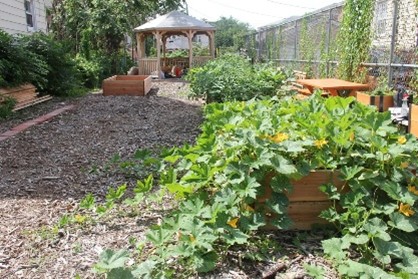
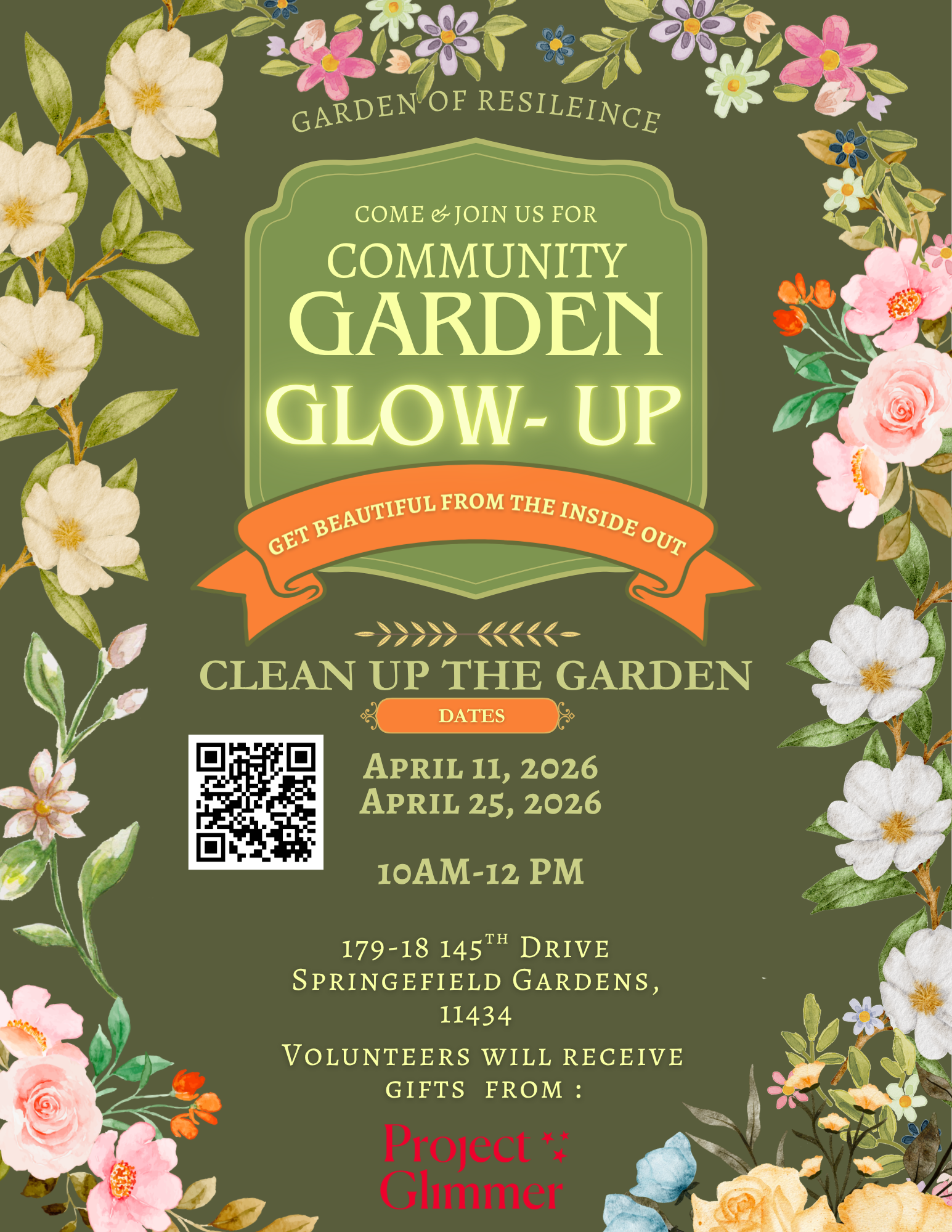
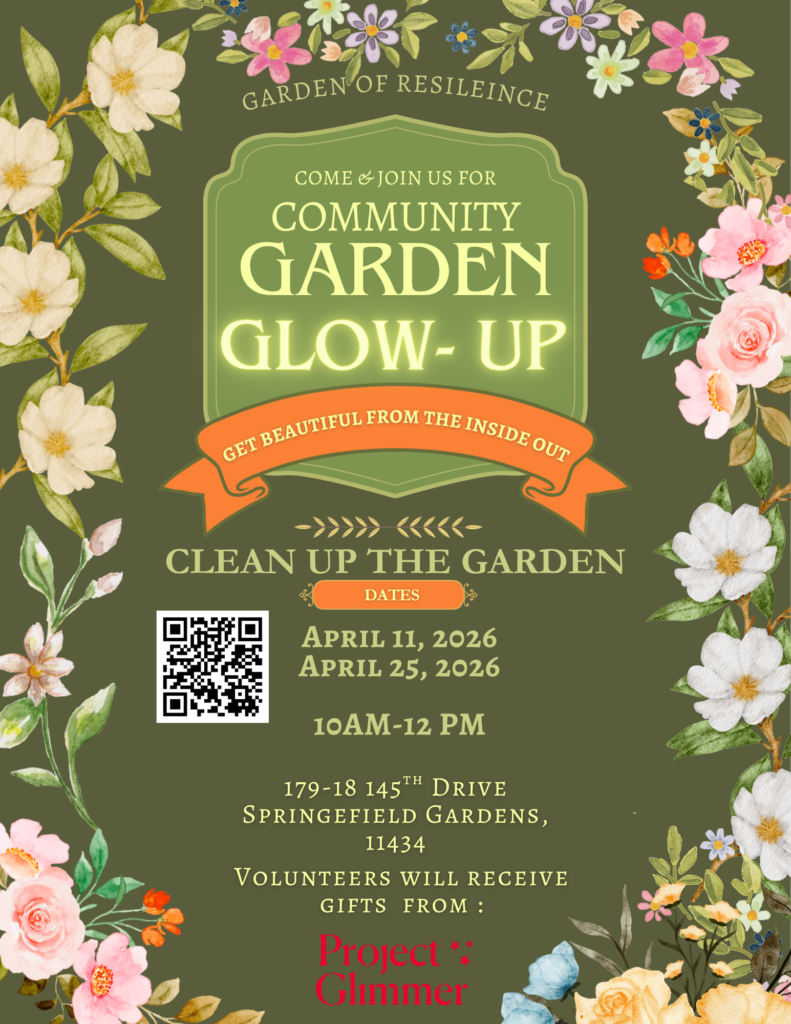
Currently, community gardens occupy over 100 acres of public open space across the five boroughs [1]. Community gardens are collaborative projects in which people maintain gardens, planting healthful, affordable, fresh fruits and vegetables for community members. It’s its own ecosystem of plants, soil, and sometimes native insects and animals. Volunteers help this ecosystem flourish by planting, watering plants, composting, and maintaining clean spaces. Birds can eat insects that may damage plants or eat fruit, spreading seeds which help plants reproduce. In return, by the end of spring into summer, we get a rich harvest of fresh produce from plants we can consume to make our diet a little healthier. There are also broader environmental impacts when cultivating a prosperous community garden. Research has shown that activities such as planting and gardening have been linked to reduced Urban heat island (UHI) temperatures and moderate positive effects on our general and mental health [2][3]. This spring and summer, community gardening would be a great way to spend your free time with your kids, friends, or others in your community. Your volunteering gives back to the community you live in by helping address issues such as food deserts, urban heat islands, and other environmental and social issues, and by providing a valuable service to you and the community. A perfect opportunity to get a taste as a volunteer is at The Garden of Resilience, a community garden based in southeast Queens, located at 179-24 145th Dr, Springfield. This April, give love back to the earth at The Garden of Resilience’s “Community Garden Glow-Up” event, where attendees will clean up the garden on April 11th and 25th from 10 am-12 pm. The efforts of our volunteers will be rewarded with beauty gifts from Project Glimmer.
References:
[1]“History of the Community Garden Movement.” NYC Parks, New York City Department of Parks & Recreation, www.nycgovparks.org/about/history/community-gardens/movement. Accessed 31 Mar. 2026.
[2] Panțiru, I., et al. “The impact of gardening on well-being, mental health, and quality of life: an umbrella review and meta-analysis.” Systematic Reviews 13.1 (2024): 45.
[3] Mancebo, François. “Gardening the city: Addressing sustainability and adapting to global warming through urban agriculture.” Environments 5.3 (2018): 38.


















https://shorturl.fm/zSfFG
Comments are closed.